Review: Chekov in the modern age
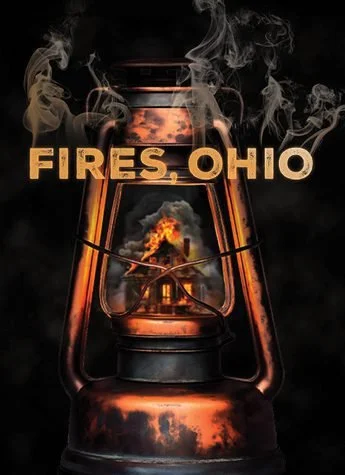
Fires, Ohio, Alliance Theater
Published May 5, 2026
“This love will be the death of me” Hermione wrote. We’re doing Hermione and Snape fan fiction on an outdated laptop. Teenage-level fantasies coming from a twenty-something woman - normal or crazy?
Sonia, played by Rebeca Robles, welcomes us to the Chekhov-esque, relatively grandiose home by reading out her internet activity and dancing around to beats of the 2010s, despite this play’s word-of-god admission to being post-Covid. This monologue was an interesting tactic to conquer the challenge of making someone’s browsing history interesting enough to perform.
The home itself is quite beautiful. The set consumes the space, inches away from the front row. The house is such a character of its own in the classic play this show was based on - Uncle Vanya - and this imagining of the house makes it clear why it’s a home worth fighting for.
Robles deserves praise for this unique character performance. Though her hair fell out of place a few times, her energy made the character special. It was interesting how this Sonia quickly dismisses, “I’m not saying I’m ugly” when that was a big character trait of Chekov’s Sonia to talk down on her looks. By just adding a shred of ego to the girl, the character’s motivations changed completely.
Sonia recites a message to her late mother, informing her that it’s “her birthday on earth.” Playwright Beth Hyland nails the emotional gravity and time period early on with playful digital communication in a heartfelt scene.
“I promise I’m taking care of your garden,” Robles says endearingly, the garden currently choking in smoke outside the house’s walls. She reveals that her job is tough because the faculty is “weird,” and reminds her mom, “ I remember you.”
Erin and the Professor are very odd long-lost colleagues. Erin is perhaps meant to be older than the actor playing her, and as a result this relationship is confusing. Sonia is acting strange around her as well. Altogether, Erin’s presence disrupts the home and kicks off the philosophical considerations of the family’s current predicament. They gather around the table for dinner that Sonia’s prepared.
“Nihilism is very au courant for their generation,” says the Professor about the youth of today that he sees in his classrooms. Also about Erin.
Au courant (French): Aware of what is going on; well informed.
They speak on the “radical acceptance” the younger generation holds, capable of bearing witness to more information than ever before possible and remaining optimistic about the future, even when that optimism gets clouded in the smoke of devastating fires and their dismal climate research.
“I thought we were safe from all this, little land locked Ohio,” bemoans the household as wildfires overtake the state. The pampas (read: pompous) grass looks really nice on stage, and the silhouette with the back lighting is pretty.
John enters, talking about, “All work has value.”
Warren Live Haney’s portrayal of the Uncle Vayna-esque loser man-child fits into this time period perfectly. A Trader Joe’s employee and white-undershirt-and-jeans son, he’s aloof, generally pessimistic and really adds nothing but snark to most conversations.
“What if everything just works out for us, dude?” the King Baby asks, embodying the blind confidence that plagues the modern man. The “red-pill” problem is tackled in a way that reflects centuries old misogyny. This character is a fun lens to use to peer back into time and how those issues are evolved and yet remain the exact same. John’s entitlement causes unnecessary and unearned friction between the characters.
Step-mother Elaina enters, out-dazzling the entire cast thus far. Tiffany Denise Hobbs’ costuming stood out and still felt of-the-time.
The dining room table is clever staging, and the lighting warms the space with familial ambiance. The lilies that the step-mother brought home loom over them. Lilies are a funeral flower, but they act like it’s a congratulatory flower, which is odd of them.
The table starts to feel smaller with the crowding of egos. Polite arguments about the state of the world and our role in it all surge. Erin’s book is entitled, “Against Hope,” which is just bleak. She propositions, “hope as a reward for taking a particular action.” The dinner conversation broils and catches fire, Sonia erupting in a neurotic outburst. Robles’ performance truly keeps the audience guessing what is wrong with this girl.
It was a cute choice to have the actors clear the table as a family. A bed rolls out of the opposite wings; in it, the Professor and Elaina. He’s worried about the bones in the house, unlike Elaina who’s worried about the bone in the bed. It’s an intense marital squabble, lots of big issues around pain, money and unfulfilled dreams.
Upstairs, Elaina is struggling with some pretty uncomfortable unrequited love between her and John, her loser stepson. She’s so unhinged and he’s so insufferable. They have confusing boundaries but good chemistry. Downstairs, Erin confides in Sonia about her parents and their mishandled “disaster caravan” to escape the fires.
It’s all too trite to have the gravity Chekov requires. Modern age problems don’t stand up, and the desperation doesn’t really come through in the way it does in Uncle Vanya. Despite the parallels, overall the stakes seem very low, which is likely why Hyland created the stakes of there being an all-consuming fire just outside. What’s going on in the house may seem tame by today’s standards of salaciousness, but ultimately doom is impending. It’s clever, and it’s a creative metaphor for how the walls of the home are closing in on them and all that they know is going up in flames.
A beautiful fire effect occurs onstage while Sonia goes neurotic again. Over the course of the show, she’s been unraveling, making the audience realize that the teenage fantasies from earlier were, indeed, indicative of an unstable young woman. The house, still haunted by photos of their late mother, empties out as everyone flees the fire and each other, leaving Sonia alone with herself.
Fires, Ohio - a modern soap opera - was a quirky adaptation of what’s at its core - a good story. Chekov’s interpersonal relationships seem to transcend time, and even when modern problems don’t feel as serious, the solution apparently remains the same: burn it all down.